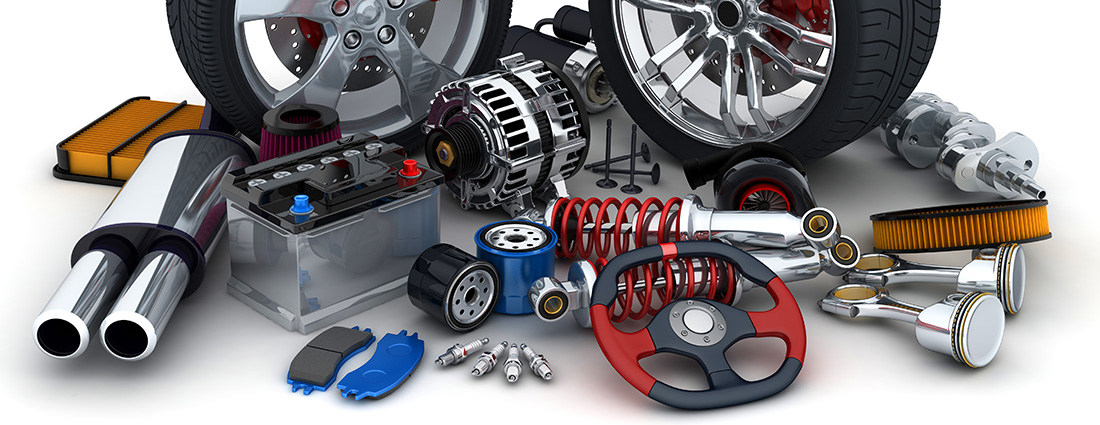
Automotive waste is a growing issue in modern cities. As more vehicles reach the end of their working life each year, the question of what happens next becomes important. Cars are not simple items that can be thrown away. They contain metals, fluids, plastics, rubber, and electronic parts that can harm land and water if handled without care. Ford wreckers in Brisbane play a key role in reducing this waste by managing end-of-life vehicles through controlled and regulated processes. Their work supports material recovery, limits landfill use, and reduces pressure on natural resources.
Learn more: https://northbrisbanewreckers.com.au/
The Scale of Automotive Waste in Australia
Australia has millions of registered vehicles, and thousands are removed from the road each year due to age, accidents, or mechanical failure. A single passenger car can weigh more than one tonne and includes a wide mix of materials. Steel and aluminium make up most of the weight, while plastics, rubber, glass, and fluids form the rest.
If these vehicles were sent directly to landfill, they would take up large amounts of space and release harmful substances over time. Oils can seep into soil, batteries can leak chemicals, and plastics can remain for decades. This is why structured vehicle dismantling plays such an important role.
What Happens When a Ford Vehicle Reaches Its End
When a ford wrecker brisbane can no longer be driven, it enters the vehicle recovery system rather than general waste disposal. At this stage, the focus shifts from transport to material management. The vehicle is taken to a regulated site where dismantling takes place under environmental rules set by Australian authorities.
The goal is not to destroy the car, but to separate its parts and materials in a way that allows reuse or recycling. This process reduces the amount of waste that ends up buried in landfill sites.
Safe Removal of Fluids and Hazardous Materials
One of the first steps in reducing automotive waste is fluid removal. A Ford vehicle contains engine oil, transmission fluid, brake fluid, coolant, and fuel residue. These liquids can damage soil and water if released into the environment.
At wrecking yards, fluids are drained using sealed systems and stored in approved containers. Used oil is often sent for cleaning and reuse in industrial settings. Coolant and other liquids are treated according to environmental guidelines. This step alone prevents serious pollution and supports safer land use.
Battery Handling and Recycling
Vehicle batteries are another major source of potential waste. Most Ford cars use lead-acid batteries, which contain lead and sulphuric acid. These substances are harmful when left unmanaged.
Batteries are removed early in the dismantling process. In Australia, lead-acid batteries have a very high recycling rate. Lead can be reused many times without losing quality, while plastic casings are melted down and reshaped into new products. This closed recycling loop keeps toxic materials out of landfill.
Reuse of Working Vehicle Parts
Not every part of a Ford vehicle stops working at the same time. Many components remain in good condition even when the car itself is no longer roadworthy. Engines, gearboxes, alternators, starters, panels, mirrors, and interior parts may still function well.
By removing and storing these parts, wreckers extend their useful life. Every reused component reduces demand for new manufacturing. This lowers energy use linked to mining, processing, and transport. Reuse also slows the rate at which raw materials are taken from the earth.
Metal Recovery and Recycling Processes
After reusable parts are removed, the remaining vehicle shell moves to metal processing. Ford vehicles contain a large amount of steel, along with aluminium and small amounts of copper. Steel alone can account for more than sixty percent of the car’s weight.
The vehicle body is crushed and shredded. Magnets separate steel from other materials, while advanced sorting systems divide non-ferrous metals. These metals are sent to foundries where they are melted and formed into new products. Recycled steel requires far less energy than producing steel from raw iron ore, which leads to lower emissions.
Managing Plastics, Rubber, and Glass
Cars are not made of metal alone. Ford vehicles include plastics in dashboards, bumpers, trims, and wiring covers. Tyres are made from rubber compounds, while windows use laminated glass.
Tyres are often shredded and reused in road base materials or construction projects. Automotive glass can be processed into materials for building use. Plastics are sorted by type, and many are recycled into new products. Although plastic recycling remains complex, ongoing improvements continue to reduce waste volumes
Reducing Landfill Pressure in Brisbane
Landfill space is limited, especially in growing urban areas. Large items such as vehicles place significant pressure on waste facilities. By dismantling cars and recovering materials, wrecking yards reduce the amount of waste sent to landfill.
Studies show that more than eighty percent of a typical passenger vehicle by weight can be reused or recycled. This figure highlights how little of a car actually needs to be discarded when proper processes are followed.
Lower Demand for Raw Materials
Every recycled Ford vehicle reduces the need for mining new materials. Mining activities disturb land, consume water, and require high energy input. By keeping metals and other materials in circulation, wrecking yards help limit these impacts.
This reduction in raw material demand supports broader environmental goals. It also helps stabilise supply chains by relying less on newly extracted resources.
Local Material Circulation
Another way automotive waste is reduced involves local material movement. Parts and materials recovered in Brisbane often stay within the region. Shorter transport distances mean lower fuel use and fewer emissions linked to shipping.
Local circulation also supports community repair networks, where parts are reused rather than replaced with newly shipped items from distant factories.
Regulation and Environmental Oversight
Vehicle dismantling in Australia operates under environmental regulations that control waste handling, storage, and disposal. Licensed operators must follow rules covering fluid management, air quality, and site safety.
These regulations protect surrounding land and waterways. They also ensure that automotive waste reduction follows consistent standards rather than informal practices.
Public Misunderstanding of Wrecking Yards
Wrecking yards are often viewed as chaotic spaces filled with scrap. In reality, they function as organised recovery centres. Each step of the process focuses on separating materials and reducing waste.
Understanding this role helps shift public opinion. Rather than being sources of pollution, these sites act as part of the recycling system that supports cleaner cities.
Long-Term Environmental Impact
The environmental impact of reducing automotive waste adds up over time. Each Ford vehicle processed correctly prevents harmful substances from entering the environment. Each reused part lowers manufacturing demand. Each recycled metal shipment saves energy.
When multiplied across thousands of vehicles each year, these actions make a measurable difference in emissions, landfill use, and resource consumption.
The Role of Ford Wreckers in Brisbane
Operations such as ford wrecker brisbane form part of this wider system by handling vehicles locally and following recovery practices that reduce waste. Their role fits within a national effort to manage end-of-life vehicles responsibly rather than treating them as disposable items.
Conclusion
Ford wreckers in Brisbane help reduce automotive waste by managing vehicles through controlled dismantling, material recovery, and recycling. Their work keeps harmful substances out of soil and water, reduces landfill use, and lowers demand for raw materials.
A Ford car does not become useless after its final drive. Through structured recovery processes, it becomes a source of reusable parts and recyclable materials. This approach supports cleaner land, lower emissions, and a more responsible way of handling automotive waste in Australia.