If you’ve ever opened a returned parcel and seen a cracked product inside, you know the feeling. It’s frustrating. Not just because of the replacement cost, but because it could have been prevented with better packaging.
Shipping damage doesn’t usually happen because a courier was careless. It happens because the box wasn’t strong enough, the item moved too much within the box, or the cushioning wasn’t used properly. The good news? Choosing the right type of box makes a noticeable difference.
Let’s walk through five secure packaging box options that genuinely help reduce damage during transit—and when you should use each one.
Why Does the Type of Box Make Such a Big Difference?
Because shipping is rough.
Your parcel may be stacked under heavier cartons, pushed across sorting belts, loaded into cages, and transported over long distances. A weak box collapses under pressure. A poorly sized one allows movement inside. Both situations increase the chance of damage.
A secure box does three important things:
- Holds its shape under compression
- Absorbs shock during impact
- Keeps the product stable inside
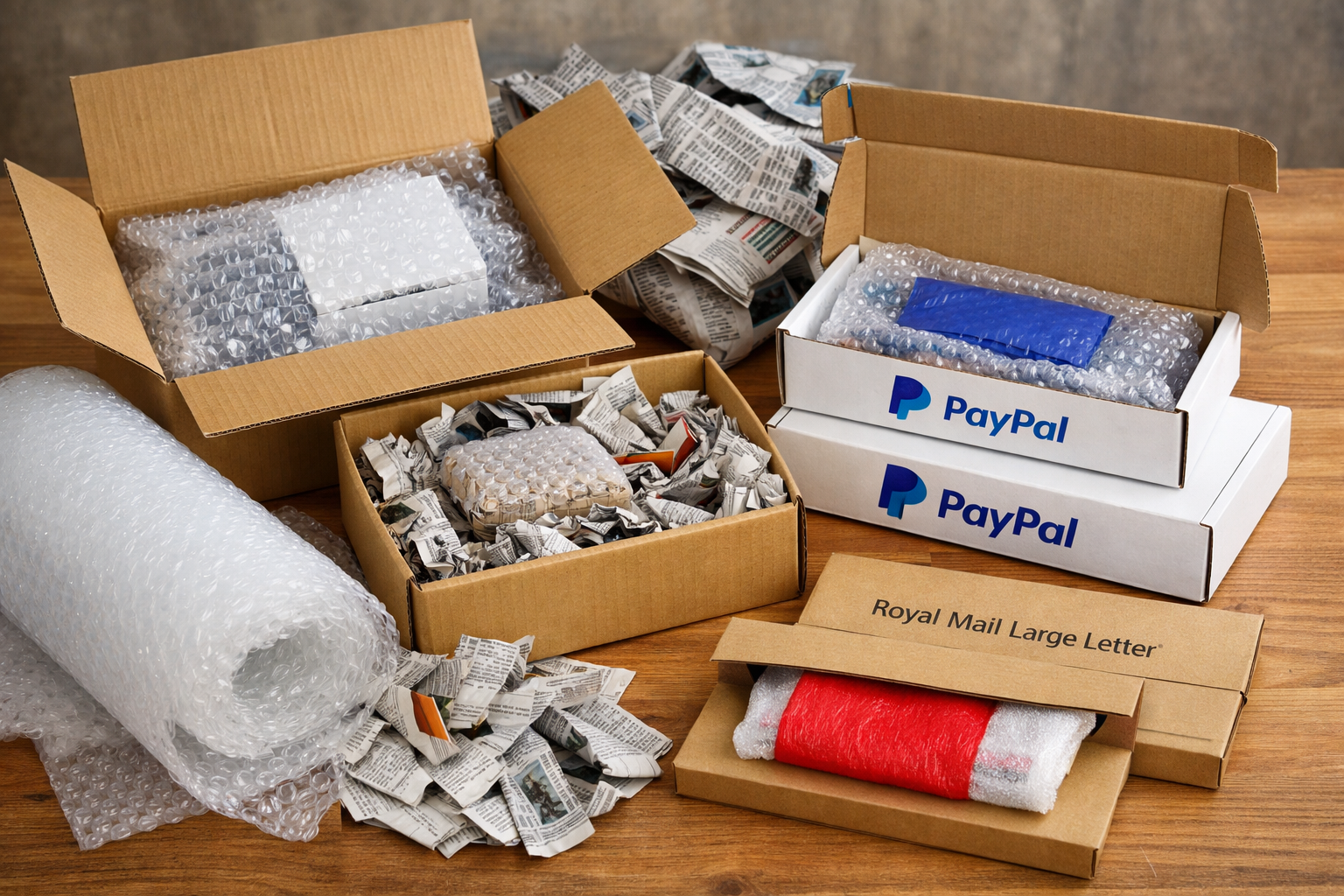
Internal protection matters too. Wrapping items in small bubble wrap or filling gaps with compact materials like newspaper offcuts helps prevent movement, which is often the real culprit behind breakages.
Now, let’s look at the box types that consistently perform well.
Are Standard Corrugated Boxes Still a Good Choice?
Yes, but only when chosen correctly. Standard corrugated cartons are widely used for a reason. They’re practical, affordable, and available in different board strengths. The key is selecting the right grade for your product’s weight.
They work well for:
- Clothing and soft goods
- Packaged retail products
- Books and stationery
- Light electronics
The layered fluting inside the board acts as a shock absorber. However, problems start when the box is too large for the item. Space allows movement. Movement leads to impact damage.
If you’re shipping fragile goods, adding a layer of bubble wrap around the product before placing it inside improves protection without adding too much bulk.
Corrugated cartons remain the everyday solution for many businesses, but strength and sizing should never be guessed.
When Are Postal-Size Letter Boxes the Smarter Option?
If you ship compact items regularly, postal-friendly cartons can simplify everything.
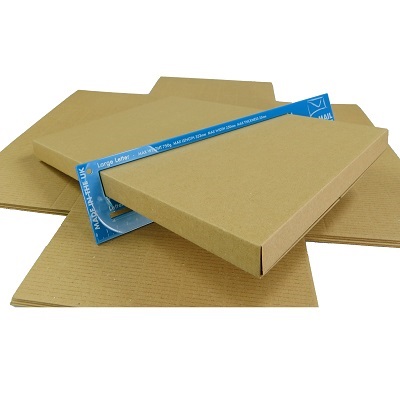
Boxes designed to fit within the dimensions of a Royal Mail large letter box format are especially useful for smaller, flat products. They slide through letterboxes, which reduces missed deliveries and customer complaints.
They’re ideal for:
- Accessories
- Cosmetics
- Small electronics
- Documents
These boxes are slim but surprisingly sturdy when folded properly. Because space inside is limited, you don’t need heavy fillers. A thin protective layer or neatly packed newspaper scrap can keep the contents secure without pushing the parcel into a higher postage bracket.
For many online sellers, this format saves money while maintaining structural reliability.
Do Reinforced Mailing Cartons Offer Better Protection?
If you’re sending fragile or high-value products, reinforced cartons are worth considering.
These boxes use thicker board grades and stronger construction. You’ll notice the difference immediately when you hold one—they feel rigid and stable.
They’re commonly used for:
- Glass items
- Electronics
- Premium retail products
- Subscription hampers
The added strength helps resist crushing during stacking and storage. Of course, even strong boxes benefit from internal cushioning. Wrapping delicate items in small bubble wrap before placing them inside provides a second line of defence.
When returns are costly, stronger cartons often pay for themselves.
When Should You Upgrade to Double-Wall Boxes?
If your products are heavy, don’t risk single-wall cartons.
Double-wall boxes have two layers of corrugated fluting. This design increases compression strength and makes the carton far more durable during transit.
They’re particularly suitable for:
- Tools and hardware
- Automotive parts
- Bulk shipments
- Dense or industrial items
Heavy goods can strain packaging from the inside. Preventing movement is crucial. Filling empty spaces with tightly packed newspaper offcuts can help stabilise the contents without significantly increasing costs.
In warehouse environments where cartons are stacked on pallets, double-wall construction reduces the likelihood of collapse.
Are Custom-Fit Boxes Really More Secure?
In many cases, yes. One of the most overlooked causes of shipping damage is internal movement. When a product slides around inside a large box, even small drops can cause harm.
Custom-fit cartons are designed to closely match product dimensions. Less space means less movement. That alone reduces risk.
Some compact formats, similar to PayPal boxes, focus on secure closure and neat presentation while maintaining structural integrity. These designs are popular among direct-to-consumer brands that prioritise both safety and appearance.
When combined with precise cushioning placement, custom-fit packaging improves both protection and customer experience.
How Do You Decide Which Option Is Right?
Instead of choosing based only on price, ask yourself:
- How heavy is the product?
- How fragile is it?
- How far is it travelling?
- Will it be stacked during storage?
- Does postage size affect cost?
If you’re unsure, test your packaging. A simple drop test from waist height can quickly reveal weaknesses.
Final Thoughts
Damage-free shipping isn’t about using the thickest box available. It’s about using the right box for the job.
Standard corrugated cartons work well for everyday products. Postal-compliant letter boxes help smaller parcels move efficiently. Reinforced cartons protect fragile goods. Double-wall boxes handle weight and pressure. Custom-fit cartons reduce movement and enhance presentation. When you combine strong outer packaging with practical cushioning—such as small bubble wrap or neatly packed newspaper offcuts—you dramatically reduce the risk of transit damage.