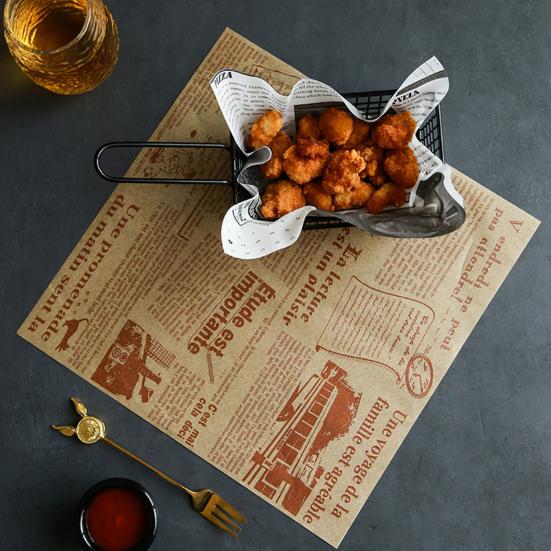
When a customer walks into a restaurant or orders takeout, the first thing noticed is not the taste of food but how the food is presented. Before opening a wrap, the way food is wrapped sends a message about care, hygiene, and quality. A folded wrap or tucked corner can make you feel valued. A bakery in New York focused on how sandwiches and pastries were wrapped. Customers commented on how “professional and fresh” everything looked. This detail led to repeat visits and social media mentions. People often equate well-wrapped food with quality. Businesses that overlook wrapping miss an easy way to impress and reassure clients.
How Can Wrapping Improve Customer Trust?
Customers judge cleanliness and professionalism through subtle cues. One strong signal of hygiene is the way food is wrapped. Loosely wrapped items or torn sheets make people doubt the quality inside. A tight, clean wrap gives the impression food has been handled with care. A deli used wraps with small stickers showing the restaurant’s logo. Customers trusted that the ingredients were fresh.
This presentation reassures customers that orders are safe from contamination. Restaurants focusing on neat wrapping see repeat customers because food feels safer and more reliable. Finding suppliers for deli paper sheets near me helps ensure wraps are food-safe. Proper wrapping sends the message: “We care about your food.” Trust built this way can lead to loyalty and recommendations.
Why Do Colors Influence Customer Mood?
Colors on wrapping can trigger emotions before tasting food. Yellow can make customers feel hungry, while white or green can create calm. A café experimented with wrap colors and found that using stylish colors made customers perceive sandwiches as fresh.
Colors can highlight branding without promotion. Consistent colors on wraps are enough to create recognition. When colors match food—green for vegetables or brown for baked items—customers associate it with quality and care. Using colors strategically helps customers connect with the brand, improving satisfaction and repeat purchases.
How Do Textures Affect Customer Experience?
Wrapping is not only about looks; it is about feel. The texture of material touching food shapes perception. Smooth wrap gives a sense of freshness and care, while rough material can make food seem lower quality. Holding a sandwich wrapped in smooth paper gave the feeling of a restaurant putting thought into the experience.
Attention to texture shows detail. Textured wraps also prevent food from slipping or getting wet. Materials like custom wrapping paper provide both function and feel, making customers feel the dining experience has been planned.
Why Is Folding Important for Perception?
Folding can make a difference in how customers perceive a restaurant. A wrap folded neatly communicates professionalism. A messy fold suggests carelessness. A sandwich shop in the USA trained staff to fold wraps in the same pattern, and customers noticed.
Neat folding keeps food intact. Customers felt confident the food would remain fresh. Even without branding, precise folds make an ordinary wrap feel professional. Restaurants often prefer WaxPapersHub for wrapping solutions that support proper folding.
How Can Wrapping Show Freshness?
Thoughtful wrapping highlights food freshness. Transparent or lightly tinted wraps allow customers to see the product. A salad or sandwich looks appealing when wrap shows what is inside. Cafés using semi-transparent sheets found that customers bought more because food looked untouched.
Freshness affects confidence. Customers trusted ingredients were fresh and were likely to return. Using custom wrapping paper helps maintain freshness and keeps food safe. This strategy reinforces quality without extra marketing.
Why Does Food Protection Matter to Customers?
Protection goes beyond hygiene. Customers want assurance that food will arrive without spilling or squishing. Proper wrapping keeps food intact. A burger ordered from a café stayed together with the sauces inside. That protection made customers remember the place.
Ignoring protection can lose repeat customers. Protective wrapping shows respect for orders. Materials like custom food paper are strong, absorb moisture, and prevent spills. Focusing on protection reduces complaints and increases satisfaction.
How Does Wrapping Affect Portability?
Portability matters for takeout or delivery. Poor wrapping makes food hard to carry or spill. Efficient wrapping allows easy transport. A street food vendor in Texas used longer wraps, and customers appreciated convenience, leading to more orders.
Portability helps customers share food. When food can be carried without mess, customers bring friends or family. Using WaxPapersHub provides wrap materials that are strong, easy to fold, and maintain food quality during transport.
Why Does Attention to Detail Matter in Wrapping?
Small details in wrapping can show quality standards. A sticker holding fold, a clean edge, or an aligned wrap communicates care. A café in Chicago used minimal stickers to hold wraps. Customers noticed the detail and felt valued.
Detail builds trust. Consistent care reflects professionalism. Using materials like custom wrapping paper allows staff to maintain a high-quality presentation with ease.
How Can Wrapping Encourage Social Sharing?
Neatly wrapped food is more likely to be photographed. In today’s world, customers post pictures online. Appealing wraps attract attention. A bakery started folding wraps neatly and noticed more social media engagement.
Social sharing increases visibility. Restaurants do not need flashy wraps; simple, clean wraps look good in photos. Suppliers like WaxPapersHub provide materials suitable for this purpose, helping restaurants maintain appearance in online photos.
Why Does Consistency in Wrapping Matter?
Consistency ensures customers know what to expect. If wraps vary, it creates doubt about quality. Restaurants maintaining uniform wrapping build reliability. A bakery chain wrapped items consistently, and customers felt confident in each order.
Consistency makes training easier. Materials like custom wrapping paper allow employees to wrap items in a standard way. Customers appreciate when service looks professional every visit.
How Can Wrapping Reflect Brand Story?
Wraps can tell a story without prints. Color, material, or folding reflects restaurant philosophy. A café used brown wraps to reflect natural ingredients. Customers noticed, and wrap became part of identity.
Wraps reinforce the brand quietly. Using strong materials and simple methods communicates values like freshness and care. Suppliers for custom wrapping paper allow restaurants to maintain a consistent story consistently. Small touches connect customers with brands.