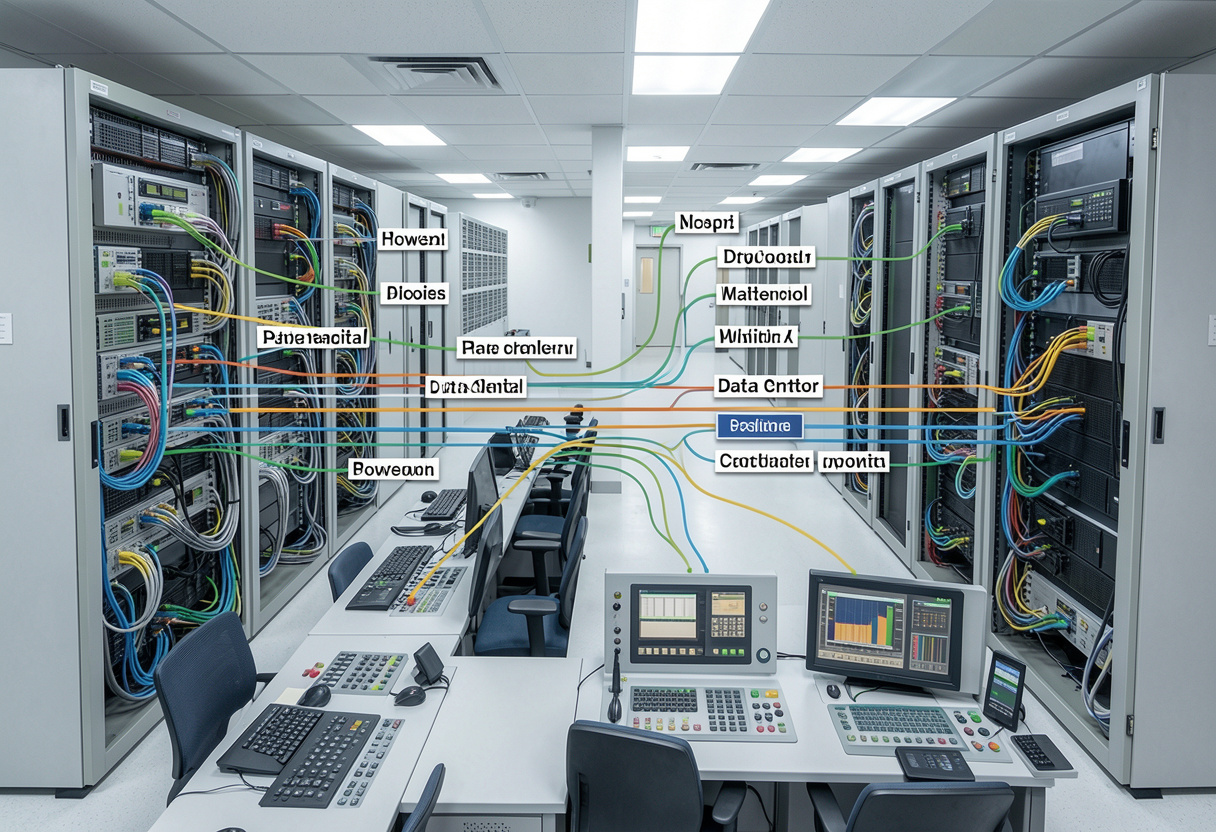
Modern society depends heavily on a reliable and stable electricity supply. From hospitals and data centers to homes and industries, nearly every aspect of daily life relies on uninterrupted power. However, as energy demand grows and renewable sources become more common, electrical grids are becoming increasingly complex. To ensure stability and efficiency, utilities and industries must rely on power systems studies to understand how their networks behave under different conditions.
These studies help engineers analyze potential weaknesses, prevent failures, and design systems that can handle both current and future demand. By using advanced modeling and simulations, organizations can identify risks before they lead to outages and improve the overall reliability of the grid.
Understanding the Complexity of Modern Power Grids
Today’s power grids are far more complicated than those built decades ago. The integration of renewable energy sources, distributed generation, electric vehicles, and smart technologies has transformed the way electricity is produced and consumed.
These changes introduce new challenges such as fluctuating power generation, bidirectional energy flow, and varying load demands. Without proper planning and analysis, these factors can lead to instability, voltage fluctuations, or even large-scale outages.
Advanced electrical power system analysis allows engineers to simulate these scenarios and understand how the grid responds under different operating conditions. By studying system behavior in detail, utilities can make informed decisions that enhance stability and performance.
Identifying Weak Points Before Failures Occur
One of the most valuable benefits of conducting a power system study is the ability to identify potential weaknesses before they become critical problems. Electrical networks are made up of numerous interconnected components such as generators, transformers, transmission lines, and protection devices.
If any component is overloaded or poorly coordinated with the rest of the system, it can trigger cascading failures across the grid. Through detailed modeling and simulation, engineers can detect issues like overloaded equipment, voltage instability, or insufficient fault protection.
Once these risks are identified, corrective measures—such as equipment upgrades, protection adjustments, or system redesign—can be implemented to prevent costly failures and downtime.
Enhancing Grid Stability and Performance
Grid stability is essential for maintaining continuous and reliable electricity delivery. Sudden disturbances like short circuits, equipment failures, or sudden changes in demand can disrupt the balance between power generation and consumption.
Advanced system studies allow engineers to evaluate how the network behaves during such disturbances. They analyze system responses, fault currents, and voltage recovery times to ensure the grid can withstand unexpected events.
These insights enable operators to implement better protection schemes, improve system coordination, and design networks that quickly recover from disruptions. As a result, the overall resilience of the electrical grid is significantly improved.
Supporting the Integration of Renewable Energy
Renewable energy sources such as solar and wind are playing an increasingly important role in modern power systems. While these technologies help reduce carbon emissions, they also introduce variability into the grid because their output depends on weather conditions.
Without proper analysis, this variability can cause voltage instability, frequency fluctuations, or congestion in transmission lines. Engineers rely on power systems studies to evaluate how renewable energy sources interact with existing infrastructure.
By simulating different scenarios—such as sudden drops in solar output or rapid increases in wind generation—utilities can design strategies to maintain balance in the system. These strategies may include energy storage, improved grid controls, or optimized power dispatch.
Improving Operational Efficiency and Planning
Beyond preventing failures, system studies also play a major role in improving operational efficiency. By analyzing how electricity flows through the network, engineers can identify opportunities to reduce losses, optimize equipment usage, and improve load distribution.
For example, proper planning can ensure that transmission lines operate within safe limits while still delivering maximum capacity. This helps utilities avoid unnecessary infrastructure investments while still meeting growing energy demands.
A comprehensive power system study also supports long-term planning by helping organizations evaluate future scenarios such as increased demand, new generation sources, or grid expansion projects.
The Role of Advanced Simulation Tools
Modern power system studies rely on sophisticated software tools that allow engineers to create detailed models of electrical networks. These tools simulate real-world conditions and provide valuable insights into how systems behave during normal operation and abnormal events.
Using these advanced tools, engineers can perform electrical power system analysis that includes load flow studies, short-circuit analysis, transient stability studies, and protection coordination.
The ability to test multiple scenarios in a virtual environment allows utilities to optimize system performance without risking real-world disruptions. This proactive approach leads to smarter decisions, safer operations, and more reliable power delivery.
Building a More Reliable Future
As the demand for electricity continues to grow, ensuring the reliability of power grids will remain a top priority for utilities and industries. Advanced analytical methods allow engineers to better understand system behavior, anticipate potential challenges, and implement effective solutions.
By investing in detailed studies and modern simulation technologies, organizations can build stronger, more resilient electrical networks capable of supporting future energy needs. These efforts not only improve reliability but also help create a more sustainable and efficient power infrastructure for generations to come.
In an era where even a short power outage can have significant consequences, the importance of comprehensive power system analysis cannot be overstated. Through continuous evaluation and improvement, the electrical industry can maintain stable and dependable power systems that keep the world running smoothly.