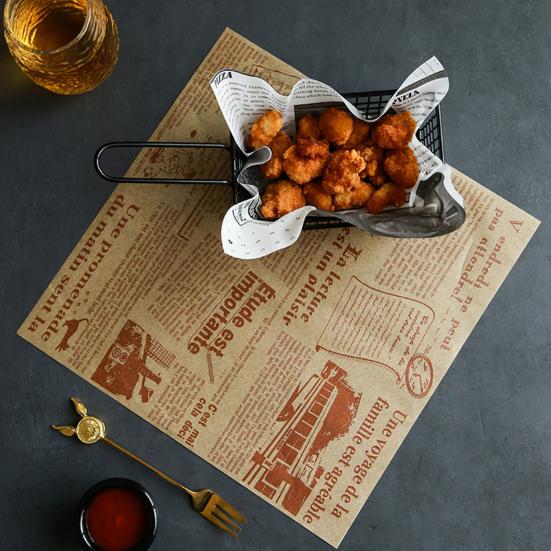
Keeping takeout food fresh is one challenge delis face. Customers often complain about sandwiches or salads that have lost their appeal by the time they reach home. One way to prevent this is by using deli papers. These papers help maintain moisture without making food soggy. A sandwich wrapped in the right paper will keep its texture, flavors, and aroma. Wrapping also ensures that items like cheeses or soft bread do not lose shape. Freshness affects how food looks. Vegetables, bread, and fillings make food look inviting.
How Can Food Presentation Influence Customer Satisfaction?
Customers often eat with their eyes first, even when they order takeout. Presentation affects how food feels. Wrapping items neatly or using papers that prevent spills gives a sense of care. A sandwich folded and wrapped without leaks shows planning. Color contrast matters: lettuce, tomatoes, and bread make food look clear. Presentation affects perceived quality. When food looks organized, people think it tastes better.
Delis can improve presentation by using custom printed paper matching types of food. Proper wrapping shows attention to detail and care during preparation. A customer who sees that a deli manages presentation carefully is more likely to feel satisfied. Presentation can decide between one-time order and repeat customers. Thoughtful presentation also creates expectation for the next food, influencing loyalty and recommendations.
What Role Does Wrapping Play in Food Hygiene?
Food hygiene is important for takeout. Customers want food to be clean. Wrapping food properly reduces risk of contamination from hands, air, or surfaces. Papers that resist grease or liquid prevent sauces from leaking, keeping food clean. Using hygiene materials shows care and concern. A wrapped salad keeps dressing in place. Customers notice these details and trust the brand more. This is where WaxPapersHub helps. They provide materials that are practical and safe, allowing delis to keep hygiene at high standards. Proper wrapping reassures customers that food is handled with attention and care. Such small steps create confidence in quality and cleanliness.
How Can Temperature Affect Takeout Food Quality?
Temperature affects food appeal. Hot items need to stay warm, and cold items must stay cold. If food is not kept at the right temperature, flavor can change or degrade. Wrapping helps regulate temperature. Papers holding heat prevent sandwiches from cooling too fast. Papers allowing moisture control maintain crispiness of fried items. Cold foods like salads or desserts remain fresh with the right paper. By maintaining correct temperature, delis ensure taste remains consistent from store to customer. Customers remember warm sandwiches or crisp salads more than paper itself. Attention to temperature shows delis care about food throughout the delivery process.
How Can Wrapping Improve Convenience for Customers?
Takeout customers often eat on go or store food for later. Wrapping easy to open, reseal, or dispose of adds convenience. A folded sandwich with a tear strip allows access without mess. Papers not sticking make reheating simpler. Convenience matters because customers value time and want a smooth experience. Proper wrapping prevents spills, messes, and frustration during transport. Delis that focus on these details improve takeout experience. Customers receiving food ready to eat are more likely to order again. Small improvements in convenience can create lasting impressions, increasing satisfaction and loyalty.
What Effect Does Paper Texture Have on Food Perception?
Paper texture affects how customers feel about food. Smooth papers give a clean look, while thicker papers feel strong. Papers with strength reassure customers that wrap will not tear or leak. The sound of unwrapping also affects perception—papers folding without sticking enhance experience. Soft papers work best for delicate pastries or soft bread. Selecting the right texture improves the food experience and shows attention to detail. Custom food paper helps businesses pick texture matching types of food served. Subtle effects of texture can influence perception of freshness, quality, and care taken in preparation.
How Can Wrapping Protect Food During Delivery?
Delivery brings challenges. Orders must travel without damage. Wrapping protects food from shaking, spilling, or flattening. Sandwiches wrapped carefully maintain shape, and fried items remain crisp. Papers resisting moisture prevent leaks and cross-contact with other foods. Protection is key because messy or broken food leads to complaints. Proper wrapping shows attention to detail and care for every order. Delis focusing on this have fewer returns and more satisfied customers. Small protective measures help maintain the intended quality of food, making the experience consistent from store to home.
How Can Wrapping Enhance Brand Recognition?
Wrapping can also improve brand recognition. Papers can carry logos, colors, or patterns. Consistent use of papers makes deli easier to remember and builds association with quality. A customer receiving a wrapped sandwich with a logo will link experience to the brand. Startups can use this to stand out among competitors. WaxPapersHub offers papers that combine function and recognition. Brand recognition creates trust and increases the chance of repeat orders. Even a piece of paper becomes part of the story customers remember, reinforcing brand identity.
What Role Does Moisture Control Play in Takeout Food?
Moisture affects food appeal. Too much moisture makes items soft, while too little dries sandwiches or bread. Wrapping and balancing moisture is important. Coated or treated papers allow steam to escape while keeping food from drying. The sandwich wrapped correctly stays soft inside and firm outside. Moisture control affects texture and flavor. Customers notice dry or soggy food quickly. Using proper papers helps delis maintain quality and desired outcome. Attention to moisture ensures each food delivers intended experience, creating consistency and satisfaction.
How Can Wrapping Affect Perceived Portion Size?
Wrapping influences how portions appear to customers. Neat wrapping makes food appear full, while loose wrapping can make portions seem small. Tight wrap keeps toppings and layers in place. When food looks full, customers feel satisfied without extra additions. Even without changing the amount of food, wrapping affects perception of value. Delis can make food feel sufficient by folding and wrapping carefully. This builds a sense of care and attention, creating a positive impression and repeating orders.
How Can Eco-Friendly Papers Influence Customer Choices?
Customers consider environmental impact when ordering takeout. Wrapping that can be recycled or composted adds value. Papers safe for the environment show delis care about more than immediate business. A sandwich wrapped in eco papers appeals to people choosing responsibly. This approach can improve brand image and loyalty. WaxPapersHub provides materials practical and sustainable for delis. Customers notice eco efforts and are more likely to return. Eco-friendly wrapping demonstrates attention to responsibility and builds trust over time.
How Can Visual Appeal of Wrapping Influence Repeat Orders?
Visual appeal affects repeat orders. Papers folded cleanly and neat make food feel cared for. Small touches like logos or patterns increase interest. When food looks organized and tidy, customers may share their experience or recommend a deli to others. Clean wrapping adds a sense of care and attention. Combining practical papers with appearance improves overall food experience. Customers often return when food feels handled with care and thoughtfulness.