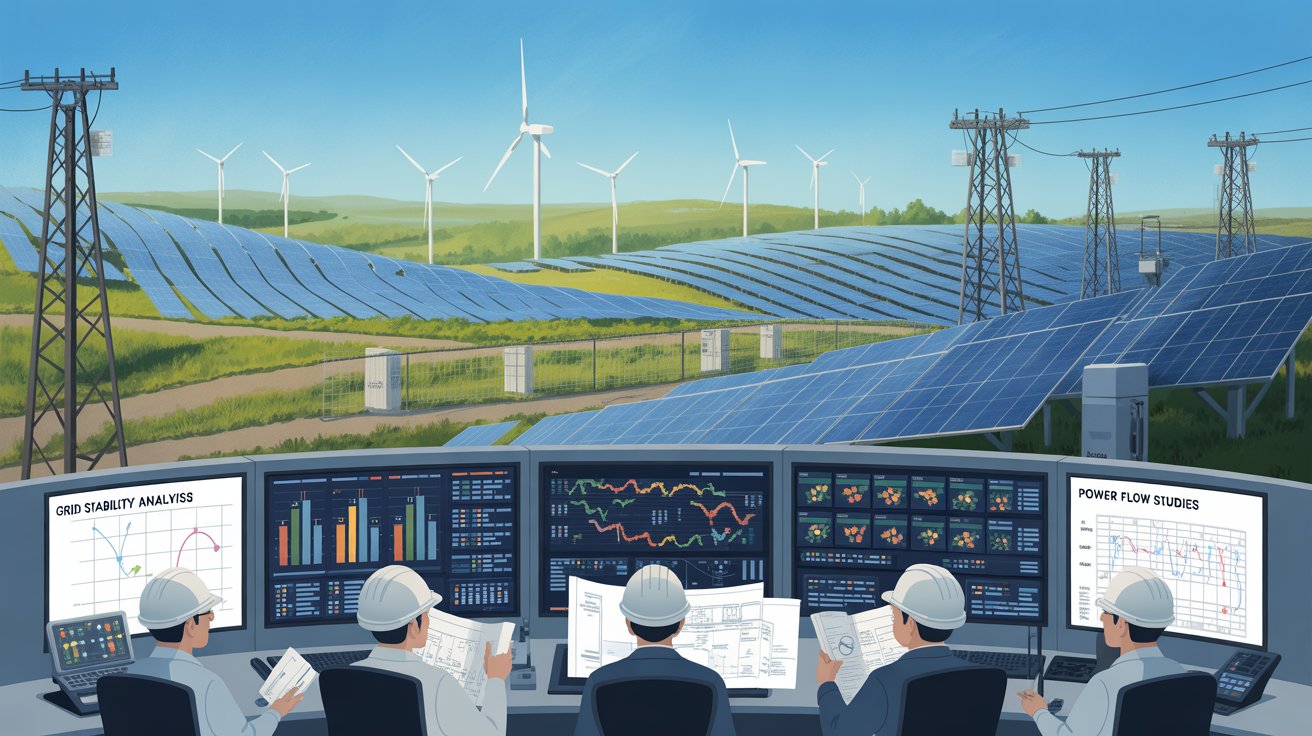
Designing a modern electrical substation requires a careful balance of efficiency, safety, reliability, and scalability. As power systems become more complex with the integration of renewable energy and digital technologies, substations must evolve to meet growing demands while maintaining operational integrity. Whether you are planning a new facility or upgrading an existing one, following proven best practices can significantly enhance performance and reduce long-term risks.
This guide explores key considerations that define successful substation projects, helping engineers and project stakeholders make informed decisions at every stage.
Understanding the Core Objectives of Substation Design
At its core, a substation acts as a critical node in the power network, transforming voltage levels, controlling power flow, and ensuring system stability. The primary objective of substation design engineering is to create a system that delivers uninterrupted power while minimizing losses and operational hazards.
An effective design must consider load requirements, fault levels, system expansion, and environmental factors. Engineers must also ensure compliance with regional and international standards. When these elements are aligned from the beginning, the result is a substation that performs efficiently under both normal and fault conditions.
Strategic Planning and Site Selection
One of the most important steps in substation development is selecting the right location. The site should be easily accessible for maintenance while being secure from environmental risks such as flooding, seismic activity, or extreme weather conditions.
Proper planning includes evaluating proximity to load centers, transmission lines, and existing infrastructure. A well-chosen site reduces transmission losses and improves system reliability. It also supports future expansion without requiring costly redesigns.
Environmental and regulatory approvals should be addressed early in the planning phase. This ensures smooth project execution and avoids delays that can impact timelines and budgets.
Optimizing the Layout for Performance and Safety
The layout of a substation plays a vital role in its overall efficiency and operational safety. A well-organized layout ensures clear separation of equipment, safe access for personnel, and effective fault isolation.
Engineers must carefully position transformers, switchgear, control rooms, and busbars to optimize space while maintaining safe clearances. Proper spacing reduces the risk of electrical faults and allows easier maintenance.
Additionally, clear pathways for cable routing and equipment access enhance operational efficiency. The layout of a substation should also accommodate future upgrades, allowing new equipment to be integrated without major disruptions.
Selecting Reliable Equipment and Technology
Choosing the right equipment is essential for long-term performance. High-quality transformers, circuit breakers, and protection systems contribute to system reliability and reduce maintenance costs.
Modern substations increasingly rely on digital technologies such as intelligent electronic devices (IEDs) and automation systems. These technologies improve monitoring, fault detection, and control capabilities.
However, equipment selection should not be based solely on initial cost. Lifecycle performance, maintenance requirements, and compatibility with existing systems must also be considered. A well-thought-out substation engineering design ensures that all components work seamlessly together.
Prioritizing Safety and Protection Systems
Safety is a fundamental aspect of substation design. Electrical hazards such as arc flashes, short circuits, and equipment failures must be mitigated through robust protection systems.
Protective relays, grounding systems, and surge protection devices are essential components that safeguard both equipment and personnel. Proper grounding, in particular, ensures that fault currents are safely dissipated into the الأرض, reducing the risk of electric shock.
Designers must also incorporate fire protection systems, emergency shutdown mechanisms, and clear safety signage. Regular risk assessments and adherence to safety standards further enhance operational security.
Ensuring Flexibility and Future Scalability
Power demand continues to grow, and substations must be designed with flexibility in mind. A scalable design allows for future expansion without major structural changes or system downtime.
This includes reserving space for additional feeders, transformers, and control systems. Modular designs are especially useful, as they allow components to be added or upgraded with minimal disruption.
Future-proofing also involves considering advancements in technology. Designing with digital integration in mind ensures that the substation can adapt to smart grid requirements and evolving industry standards.
Maintenance Planning and Lifecycle Management
A well-designed substation is not only efficient at the time of commissioning but remains reliable throughout its lifecycle. Maintenance planning should be integrated into the design phase to ensure easy access to equipment and minimal downtime during servicing.
Condition monitoring systems can provide real-time data on equipment health, allowing for predictive maintenance. This reduces unexpected failures and extends the lifespan of critical components.
Documentation and clear labeling are equally important. They enable maintenance teams to quickly identify and address issues, improving overall operational efficiency.
Conclusion
Efficient and safe substation design is the foundation of a reliable power system. By focusing on strategic planning, optimized layouts, high-quality equipment, and robust safety measures, engineers can create substations that meet both current and future energy demands.
Incorporating best practices not only enhances performance but also reduces operational risks and long-term costs. As the energy landscape continues to evolve, adopting a forward-thinking approach to substation design will ensure sustainable and resilient power infrastructure.