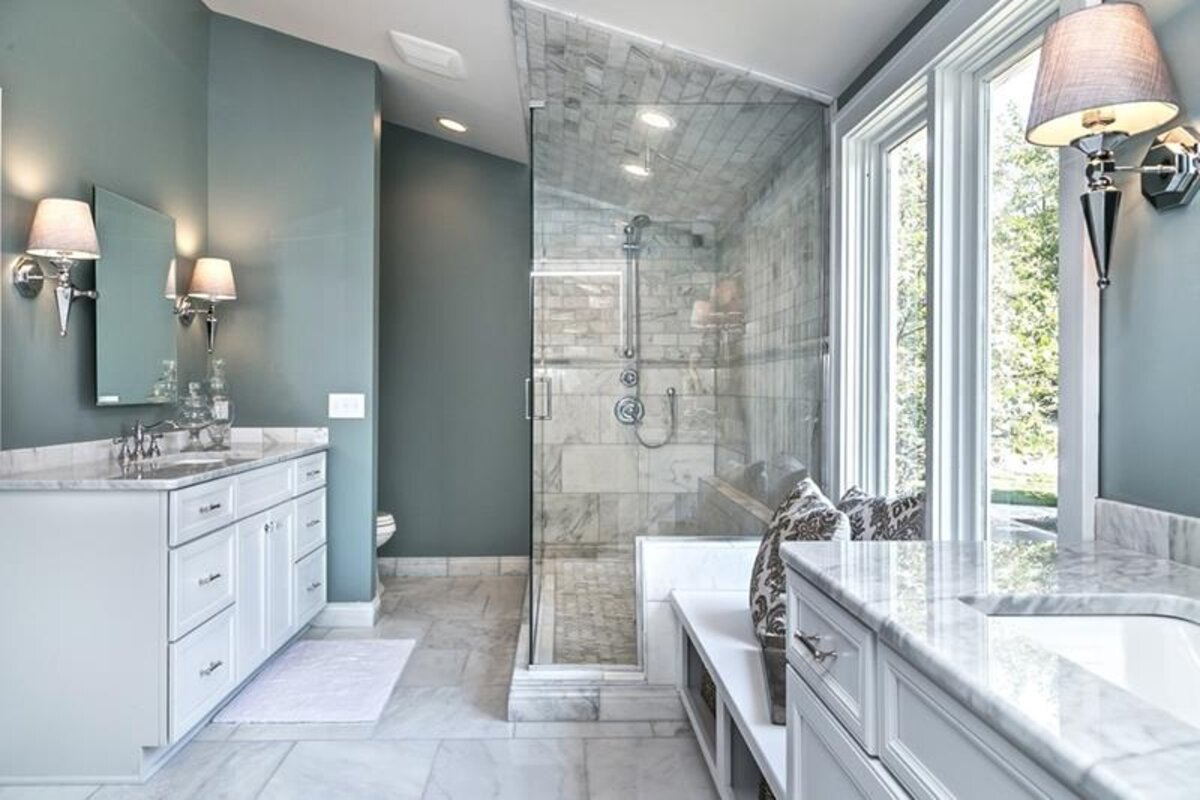
When it comes to remodeling your bathroom, one of the most crucial decisions you’ll face is selecting the right flooring for your washroom. The floor you choose will not only enhance the aesthetic appeal of the space but also play a significant role in its durability, water resistance, and overall functionality. Whether you’re undertaking a complete bathroom shower remodel or just focusing on the floor, it’s important to make the right choice. At Daybrook Kitchen & Baths, we understand the complexities of bathroom design and are here to help you navigate your flooring options with ease.
Why Flooring for Washroom Matters
Bathrooms are high-moisture areas that see regular foot traffic, spills, and splashes. This makes choosing the right flooring for your washroom critical. The flooring material must be able to withstand the constant exposure to water, while still being durable and easy to clean. Additionally, it should complement the overall design of your bathroom, particularly if you are also considering a bathroom shower remodel.
The right flooring will not only elevate your bathroom’s design but will also keep the space safe, comfortable, and functional for years to come. Daybrook Kitchen & Baths specializes in helping homeowners select flooring that suits their needs, preferences, and budget.
Popular Flooring Options for Washrooms
1. Ceramic and Porcelain Tiles
Ceramic and porcelain tiles are the most common and reliable options when it comes to flooring for washrooms. These tiles are water-resistant, easy to clean, and come in a wide variety of styles, colors, and patterns. Porcelain tiles are especially durable, making them an excellent choice for high-moisture areas.
- Pros: Water-resistant, highly durable, and easy to maintain.
- Cons: Can be cold underfoot, and grout lines may require occasional maintenance.
2. Vinyl Flooring
Vinyl flooring has come a long way in recent years, offering homeowners an affordable yet high-quality option for bathroom floors. Modern vinyl can mimic the appearance of wood, stone, or tile, making it an excellent choice for those who want the look of a luxurious material at a lower price point. Vinyl is also softer underfoot compared to ceramic or stone tiles.
- Pros: Budget-friendly, easy to install, comfortable to walk on.
- Cons: May not last as long as ceramic or stone flooring; can be scratched or damaged by sharp objects.
3. Natural Stone
For homeowners looking to add a touch of luxury to their bathrooms, natural stone such as marble, granite, or slate offers a timeless and elegant look. Natural stone is durable and adds significant value to your home. However, it can be expensive and requires regular sealing to protect it from water damage.
- Pros: Durable, elegant, and adds long-term value to your home.
- Cons: Expensive, requires regular maintenance to prevent water damage.
Bathroom Shower Remodel: Flooring Considerations
If you are planning a bathroom shower remodel, choosing the right flooring becomes even more critical. The flooring inside your shower must be water-resistant and slip-resistant. Daybrook Kitchen & Baths recommends opting for smaller tiles, such as mosaics, for shower floors. The small grout lines between these tiles create more friction, reducing the risk of slipping when the floor is wet.
Additionally, it’s important to ensure that your shower floor has proper drainage to prevent water from pooling, which can lead to mold or mildew growth. A bathroom shower remodel can greatly benefit from using high-quality slip-resistant tiles to increase both safety and style.
Tips for Choosing the Right Flooring for Your Washroom
- Durability and Longevity: Choose a material that can withstand daily use, water exposure, and high humidity levels.
- Ease of Maintenance: Some materials, like vinyl and porcelain tiles, are easier to clean and maintain than others, such as natural stone.
- Slip Resistance: This is particularly important for shower floors, where water can make surfaces slippery.
- Design Harmony: Your flooring should complement the other elements in your bathroom, such as the vanity, shower tiles, and wall color.
FAQs: Flooring for Washroom and Bathroom Shower Remodel
1. What’s the best flooring for a bathroom?
The best flooring for a bathroom includes materials that are water-resistant, such as ceramic or porcelain tiles, vinyl, or natural stone. Each material has its advantages depending on your style preferences and budget.
2. Can I use hardwood flooring in a bathroom?
While hardwood flooring can look beautiful, it’s not the best choice for bathrooms due to its vulnerability to moisture. Wood can warp and stain over time when exposed to water. Instead, consider using water-resistant alternatives like porcelain tile or vinyl.
3. What type of flooring is best for a bathroom shower?
The best flooring for a bathroom shower is one that is both water-resistant and slip-resistant. Small, textured tiles like mosaics provide better traction and are a popular choice for shower floors.
4. How long does bathroom flooring typically last?
Bathroom flooring lifespan depends on the material. Ceramic tiles can last 20 years or more, while vinyl may last 10-15 years. Natural stone, with proper maintenance, can last a lifetime.
5. Should I hire a professional for my bathroom shower remodel?
Yes, it’s highly recommended to hire a professional like Daybrook Kitchen & Baths for your bathroom shower remodel. A professional can ensure that your flooring is properly installed, waterproofed, and safe for long-term use.