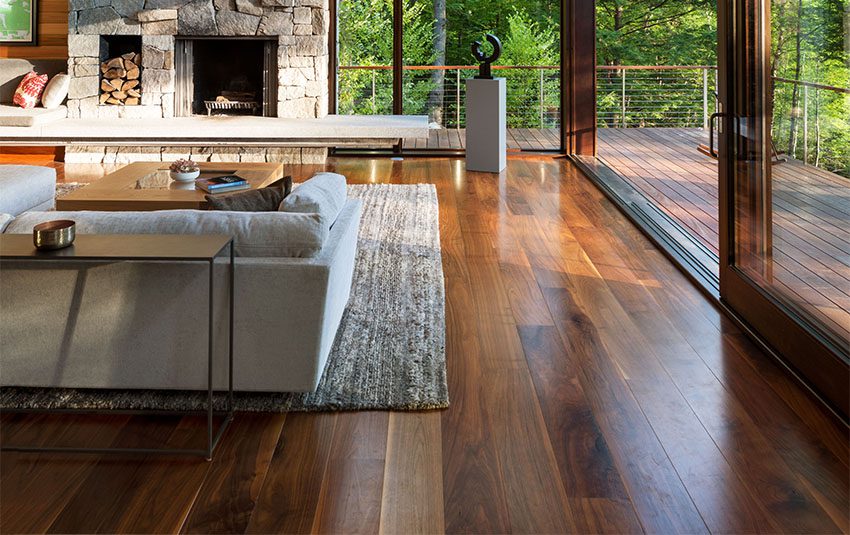
You can definitely do this if you’ve been wanting a new floor makeover but are a little intimidated by the whole “DIY flooring” scene. Installing laminate at home is one of the most beginner-friendly projects available, regardless of your preference for the smooth finish of oak laminate flooring, the stylish appeal of grey engineered flooring, or the rustic charm of unfinished wood flooring. All you need are the appropriate tools, a little patience, and preparation.
Let’s go over each step in detail below so you can confidently transform your space.
Why Laminate Flooring is So Easy to Install
The ingenious click-and-lock design of laminate flooring is one of the main reasons it is so popular among homeowners. Laminate planks are essentially ready-to-use, unlike real unfinished wood flooring, which requires sanding, sealing, and finishing. You still get simplicity without sacrificing style, regardless of whether you like the appearance of warm-toned oak laminate flooring or grey engineered flooring.
Laminate doesn’t require heavy-duty equipment, nails, or special adhesives. It is a comfortable “floating floor,” meaning that, instead of being fixed to the subfloor, it rests on the underlay. Additionally, there will be less mess, downtime, and stress.
Tools You’ll Need Before You Begin
Get the necessities before you begin expertly tapping planks into place:
- A pencil and measuring tape
Precise measurement is essential. If the lines aren’t straight, even a room with oak laminate flooring won’t look its best.
- Underlay
This improves insulation, lowers noise, and stabilises your floor. Underlay is a must, whether your space will have laminate, unfinished wood, or grey engineered flooring.
- Spacers
They prevent buckling by creating an expansion gap around the edges.
- Tapping Block and Pull Bar
Enables you to securely click the boards together without damaging the edges.
- A fine-tooth saw or utility knife
This is necessary for trimming pieces around doorways and corners.
- A rubber mallet
For tight fittings and soft tapping.
Preparing Your Floor Space
- Examine Your Subfloor
Laminate looks great on vinyl, concrete, tile, and even some grey engineered flooring. Just make sure the surface is level, clean, and dry. Later on, creaking may result from any dips or bumps.
- Adjust the Planks
Give your laminate at least 48 hours to rest in the space. This helps it adapt to the humidity and temperature, which is crucial if you want your oak laminate flooring to remain stable over time.
- Remove The Existing Flooring, If Needed
Certain types of old unfinished wood flooring can be covered with laminate if they are entirely flat, but carpet and underlay must be removed.
Step-by-Step Guide to Laminate Flooring
- Arrange the Underlay
Tape the seams after rolling it across the entire space. Everything is supported by this layer, from the first plank to the final trim. The base needs to be flawless, whether you’re going for a contemporary style that mimics grey engineered flooring or the classic feel of oak laminate flooring.
- Begin in a Corner
Starting from the left-hand corner of the longest wall, lay planks. To preserve that vital expansion gap, place spacers between the wall and the plank. This small detail will save you a lot of trouble down the road.
- Click and Lock
Laminate planks are intended to snap together. Lower the tongue of the subsequent plank until it clicks after sliding it into the groove of the preceding one. You’ll love how laminate replicates the texture of unfinished wood flooring without requiring much upkeep.
- Cut to Fit
Measure and cut the last plank to fit neatly when you get to the end of a row. To maintain a natural, eye-catching staggered pattern, use the remaining piece to begin the subsequent row.
- Make Use of the Tapping Block
As you proceed, use the block and mallet to tap the planks gently to close any gaps. This improves the smooth finish that makes oak laminate flooring so popular and helps prevent uneven joints.
- Continue Row by Row
Repeat the click-and-lock process. As the floor expands, you’ll notice how effortlessly it transforms a space; it’s similar in sophistication to grey engineered flooring but requires less time to install.
- Add Trims and Remove Spacers
After everything is set up, remove the spacers and install beading or skirting boards. These finishing touches give your new floor a polished, expert appearance while concealing expansion gaps.
A Few Additional Pointers for a Perfect Finish
- For a natural, blended appearance, always space out the joints.
- To avoid trapping debris, clean up the area as you go.
- Select trims that blend in seamlessly when installing laminate next to existing unfinished wood flooring or grey engineered flooring.
- Avoid hurrying. Even though laminate is straightforward, a little perseverance yields a fantastic outcome, particularly with realistic textures like oak laminate flooring.
Final Thoughts
Once you get into the swing of things, installing laminate flooring at home is not only feasible but also genuinely enjoyable. Additionally, you can customise the look of your space without the hassle of traditional materials like as sophisticated as wood flooring, thanks to the versatility of today’s ranges, which include stone-effect designs, warm oak laminate flooring, and modern grey engineered flooring.
Roll out that underlay and begin clicking those planks into place if you’re prepared to give your house a fashionable makeover.