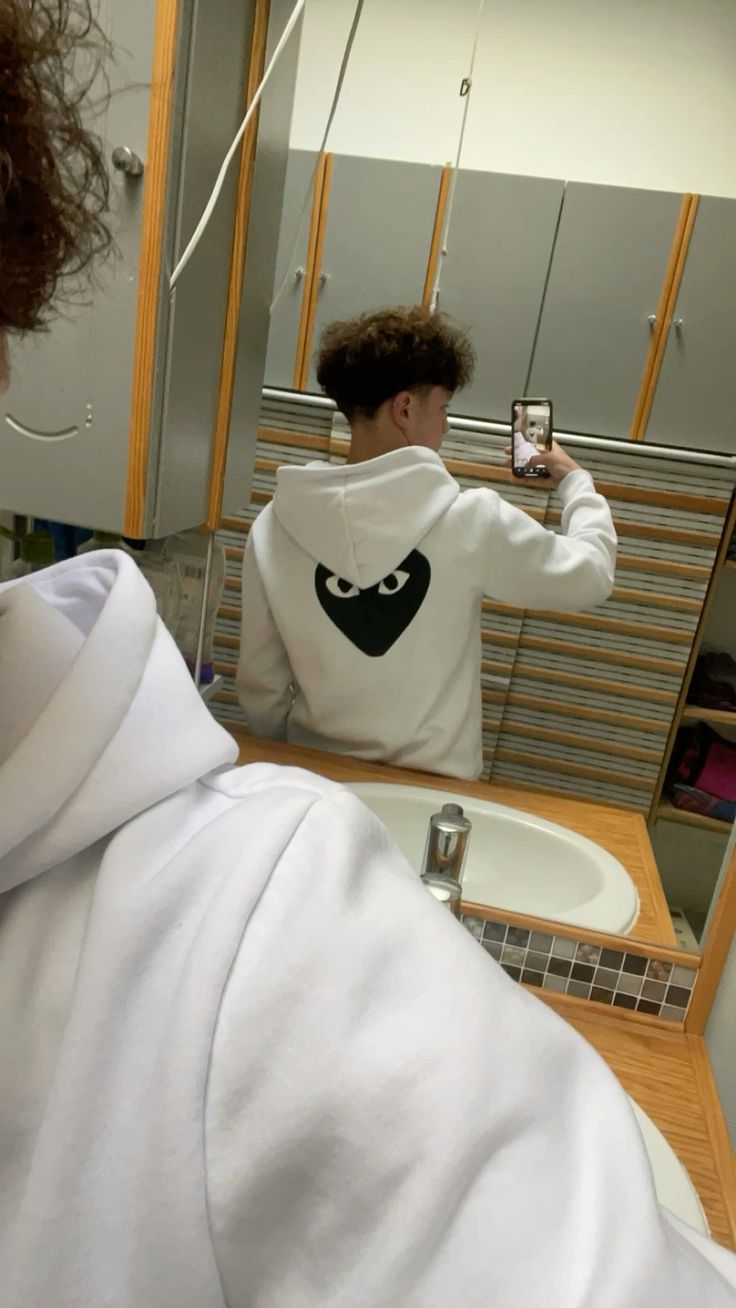
Comme des Garcons is more than just a fashion brand; it is a symbol of innovation, creativity, and rebellion in the fashion industry. Founded in 1969 by the visionary designer Rei Kawakubo in Tokyo, Japan, the brand has consistently challenged traditional fashion norms and embraced experimentation, making it a cornerstone of avant-garde style worldwide.
The Origins of Comme des Garcons
Rei Kawakubo started her fashion journey with a vision to create clothing that defies conventions. Early on, she focused on monochromatic designs, oversized silhouettes, and unconventional textures. Unlike mainstream fashion, which emphasized beauty and wearability, Comme des Garcon aimed to provoke thought and evoke emotion through clothing.
In the 1970s, Kawakubo showcased her collections exclusively in Tokyo, gaining a loyal following of fashion enthusiasts who were eager for something different. Her designs often featured asymmetry, raw edges, and innovative fabric manipulation, which would later become signature elements of the brand.
Key Philosophy Behind the Brand
At the core of Comme des Garcon lies the philosophy of breaking fashion boundaries. The brand is known for rejecting seasonal trends and instead focuses on creating timeless pieces that challenge societal norms. This philosophy is evident in every collection, where experimentation with form, structure, and proportion is a constant.
Rei Kawakubo once stated that fashion should not be confined to rules or expectations. Her approach often contrasts sharply with luxury brands that focus solely on glamour and aesthetics. This commitment to innovation has established Comme des Garcon as a cult favorite among designers, artists, and fashion-forward individuals globally.
Iconic Collections That Redefined Fashion
Throughout its history, CDG Hoodie has launched collections that have reshaped perceptions of fashion. The brand’s Fall/Winter 1981 collection, for instance, introduced the world to deconstructed clothing—a concept that later became a significant trend in avant-garde fashion.
The 1997 “Body Meets Dress, Dress Meets Body” collection is another landmark moment. Here, Kawakubo explored padded and exaggerated body shapes, turning the human form into a canvas for artistic expression. Such daring innovations solidified the brand’s reputation as a pioneer in experimental fashion.
Expansion into Global Markets
Initially, Comme des Garcon was a Japanese brand with a niche audience. However, as the brand’s influence grew, it expanded internationally, establishing boutiques in Paris, New York, and London. The Paris runway debut in 1981 marked a turning point, as European fashion critics and enthusiasts recognized the brand’s unique aesthetic.
Today, CDG Hoodie continues to operate globally, maintaining a balance between exclusivity and accessibility. Collaborations with mainstream brands like Nike and Converse have introduced the label to a wider audience while retaining its avant-garde essence.
Sub-Brands and Collaborations
The success of Comme des Garcons has led to the creation of several sub-brands, each catering to different styles and consumer preferences. These include:
- Play CDG Hoodie – Known for its casual wear featuring playful heart logos.
- CDG Hoodie Homme – Focuses on menswear with tailored, experimental designs.
- CDG Hoodie Black – Offers darker, more conceptual pieces that reflect Kawakubo’s signature minimalism.
Collaborations have also been a critical part of the brand’s strategy. By partnering with mainstream brands and artists, Comme des Garcons has successfully merged high-fashion concepts with streetwear culture, appealing to a younger, trend-conscious audience.
The Brand’s Influence on Contemporary Fashion
The impact of Comme des Garcons extends far beyond its own collections. Many contemporary designers cite Kawakubo’s work as a source of inspiration, particularly her ability to blend art and fashion seamlessly. The brand has challenged the notion of clothing as merely functional, positioning it as an expressive medium.
Moreover, Comme des Garcons has influenced the rise of conceptual fashion brands around the world. From asymmetrical tailoring to gender-fluid designs, elements pioneered by Kawakubo have become common in modern fashion, demonstrating the lasting influence of her vision.
FAQs About Comme des Garcons
Q: What makes CDG Hoodie different from other fashion brands?
A: Unlike mainstream fashion labels, CDG Hoodie focuses on avant-garde designs that challenge conventional aesthetics, emphasizing innovation over trends.
Q: Who is the founder of Comme des Garcons?
A: Rei Kawakubo, a Japanese designer, founded the brand in 1969 with a vision to transform fashion into an expressive art form.
Q: What are the most popular sub-brands of CDG Hoodie?
A: Play Comme des Garcons, Comme des Garcons Homme, and Comme des Garcons Black are some of the most well-known sub-brands catering to different styles and audiences.
Q: Does Comme des Garcons collaborate with other brands?
A: Yes, the brand has collaborated with major companies like Nike, Converse, and Supreme, blending high fashion with streetwear culture.
The Artistic Vision Behind Every Collection
Every CDG Hoodie collection is more than clothing; it is a statement. Kawakubo approaches fashion like an artist approaches a blank canvas, exploring themes such as identity, deconstruction, and the relationship between body and garment.
Her work often incorporates unexpected materials and unconventional patterns, pushing boundaries that many traditional designers avoid. This dedication to innovation ensures that each season presents something fresh and thought-provoking.
Sustainability and Future Vision
In recent years, Comme des Garcons has embraced sustainable practices, experimenting with recycled fabrics and eco-friendly production techniques. While the brand remains committed to artistic exploration, there is also a conscious effort to minimize environmental impact, reflecting a growing trend in the fashion industry.
The future of CDG Hoodie lies in balancing its avant-garde identity with global sustainability initiatives. With Kawakubo’s enduring influence and the brand’s willingness to innovate, it is poised to remain a leading force in experimental fashion for decades to come.
Conclusion: Comme des Garcons as a Cultural Icon
Comme des Garcons is not just a fashion label; it is a cultural movement. Its fearless approach to design, commitment to creativity, and influence on contemporary fashion make it a brand that transcends clothing. By redefining what fashion can be, Comme des Garcons continues to inspire designers, artists, and fashion enthusiasts around the world.