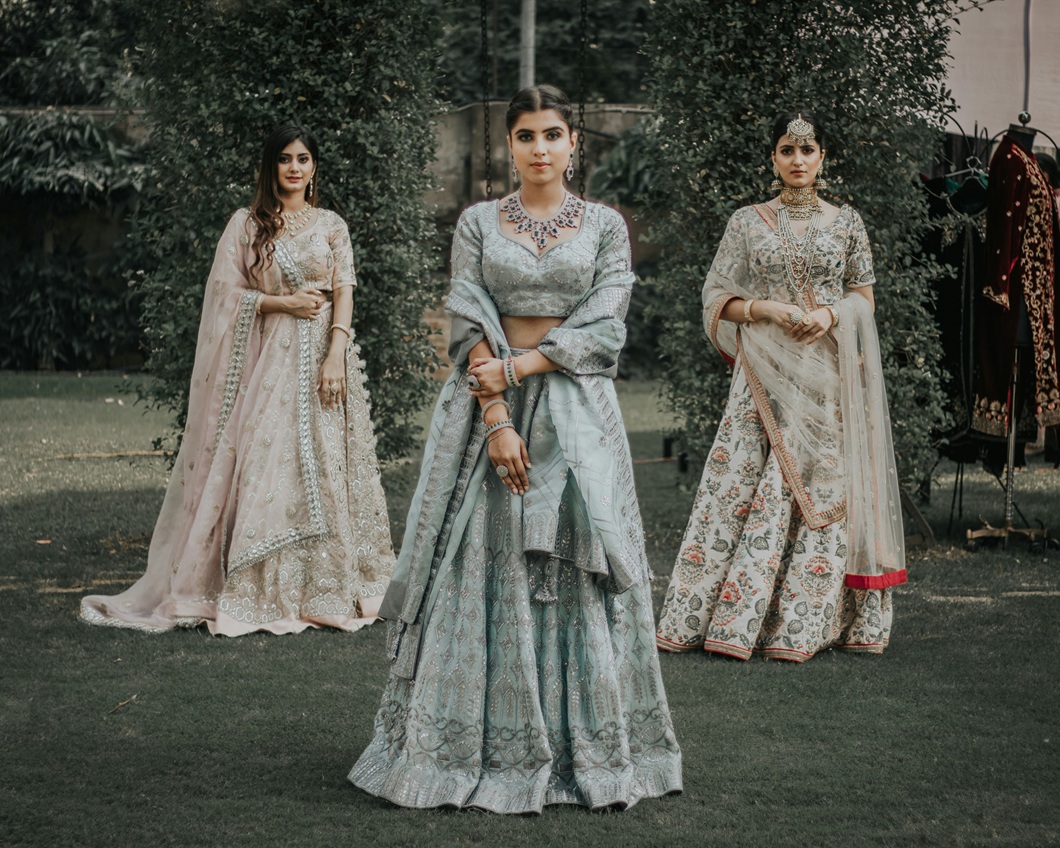
Winter festivities are charming in their own right. You can experiment with deeper colours, richer fabrics, and layers without worrying about the heat, thanks to the weather. Indian winter parties require attire that strikes a balance between warmth and style, whether they are weddings, celebrations, or evening events. Traditional clothing can be styled to look comfortable, seasonal, and celebration-ready.
This guide examines popular Indian ensembles suitable for winter events and describes how to style each one for the colder months.
Why Winter is Perfect for Traditional Wear
Many people believe that winter is the ideal time of year to dress up in ethnic attire. Structured silhouettes, intricate embroidery, and heavier fabrics are all supported by the climate.
Fabrics That Work Best
Winter is a great time to wear velvet, silk blends, brocade, wool-blend weaves, and layered cottons. These materials improve the overall appearance of Indian suits and holiday attire in addition to keeping you warm.
Adding Layers Without Losing Style
Clever layering with shawls, jackets, capes, and dupattas is possible in the winter. These modifications give traditional attire depth and personality while making it more functional.
Flowing Silhouettes for Grand Evenings
Because of their elegant design, designer Anarkali suits remain a winter favourite among festive options.
How to Put Them on in the Cold
Designer Anarkali suits made of heavier materials, like silk or velvet, look great in the winter. For nighttime events, full-sleeved designs look regal and offer warmth. Designer Anarkali suits add sophistication and insulation when paired with wool-blend dupattas or embroidered shawls.

Style Advice
For winter evenings, go for deeper hues like maroon, emerald, or navy. You can finish the look while remaining comfortable by wearing closed shoes or juttis with embellishments. This style of designer Anarkali suit is perfect for celebratory dinners and receptions.
Statement Pieces for Wedding Celebrations
Winter weddings require attire that is both opulent and long-lasting.
Accepting Warmth and Volume
Because heavier fabrics fit better in colder climates, designer lehengas are particularly popular for winter weddings. Structured blouses, intricate embroidery, and layered skirts provide warmth without requiring much layering.
Style Advice
Choose long-sleeved or high-necked blouses to accessorise designer lehengas in the winter. Wearing a silk or velvet dupatta around your shoulders adds festive appeal and keeps you warm. For outdoor events, designer lehengas look great with mojaris or closed-toe heels.
Timeless Drapes for Seasonal Festivities
When styled carefully, sarees remain a timeless option for winter parties.
Selecting the Appropriate Fabric
Winter is the perfect season for designer sarees made of silk, velvet, or heavier georgette blends. During evening festivities, these textiles offer natural insulation and hold pleats well.

Style Advice
When wearing designer sarees in the winter, layering is essential. Warmth can be added with full-sleeved blouses, high-neck styles, or even blouse jackets. The ensemble is made winter-appropriate without sacrificing style by draping an embroidered stole or shawl over the saree. Designer sarees with little jewellery give them a sophisticated, joyous appearance.
Comfort-Driven Festive Dressing
Structured clothing is a fantastic choice for people who want comfort without compromising tradition.
Adaptable and Useful Options
Indian suits are a popular choice for winter festivities, particularly for daytime events and smaller parties. Indian suits are appropriate for colder weather because of their layered designs and heavier fabrics.
Style Advice
Warmth is retained in Indian suits with straight cuts, high necklines, and long sleeves. Comfort and style are improved when worn with light shawls or wool-blend dupattas. Winter parties look great with Indian suits in earthy or jewel tones.
Accessories That Complete the Look
Without the appropriate accessories, winter styling is lacking.
Footwear and Jewellery
Heavy winter attire looks great with chunky jewellery. In addition to looking festive, closed shoes like block heels or embroidered juttis offer protection from the cold.
External Layers That Integrate
Designer sarees, lehengas, and Anarkali suits can all be worn with short jackets, capes, or shawls. Instead of overpowering the ensemble, these layers should complement it.
Colour Palettes for Winter Celebrations
Richer tones can be experimented with in the winter.
Shades of Brilliance
Winter evenings are appropriate for wine shades, royal blues, forest greens, and deep reds. These hues complement the seasonal mood while elevating Indian suits and festive ensembles.
Delicate Textures and Prints
In winter lighting, intricate embroidery and textured fabrics are more noticeable. Because of this, designer lehengas and Anarkali suits look particularly striking at nighttime events.
Final Thoughts
There are countless ways to style traditional Indian clothing for winter festivities. Indian suits guarantee comfort with style, designer sarees bring timeless elegance, designer lehengas make a statement for weddings, and designer Anarkali suits offer grace with warmth. Every ensemble can be easily modified for winter parties with the correct materials, layers, and accessories. You can enjoy winter celebrations while looking put together, cosy, and celebration-ready without sacrificing custom or individual style if you know how to style each item separately.